



Advanced Certificate in Emergency Medicine
190,000+ strong network: Global expertise, practical skills, & ethical leadership.
 4.2/5
4.2/5
 4.8/5
4.8/5
 4.6/5
4.6/5
 4.3/5
4.3/5
0
Students
0
Placements
0
Trainers
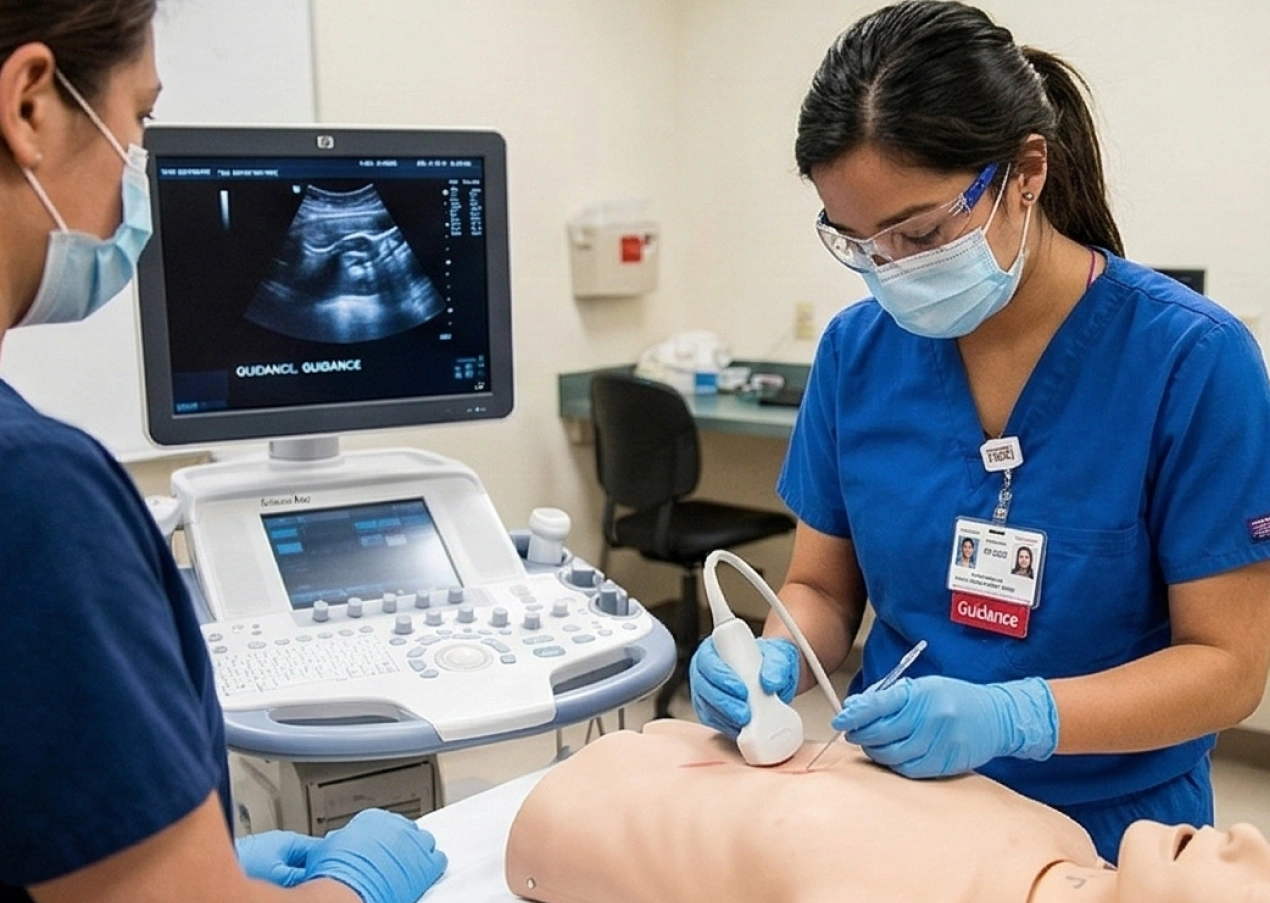
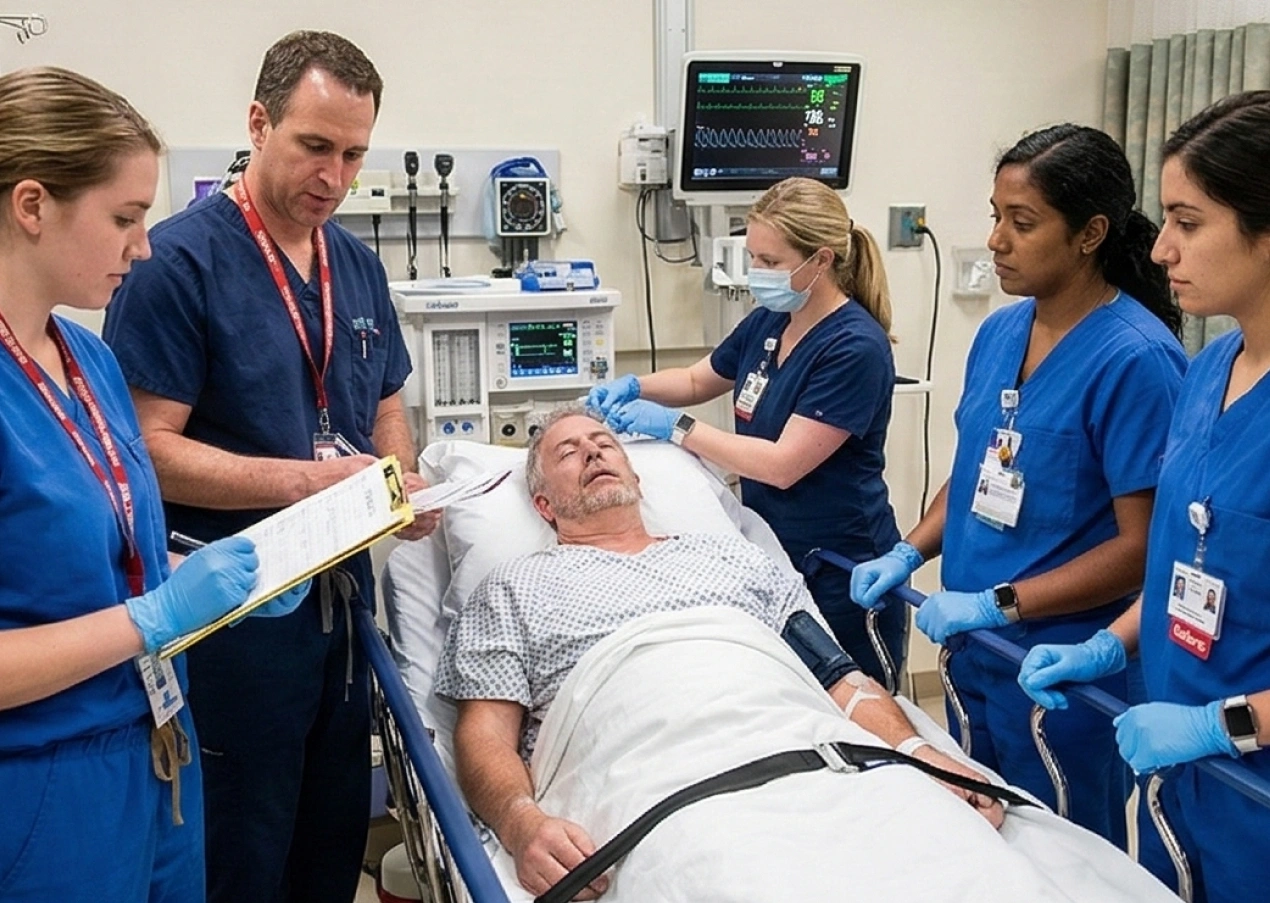
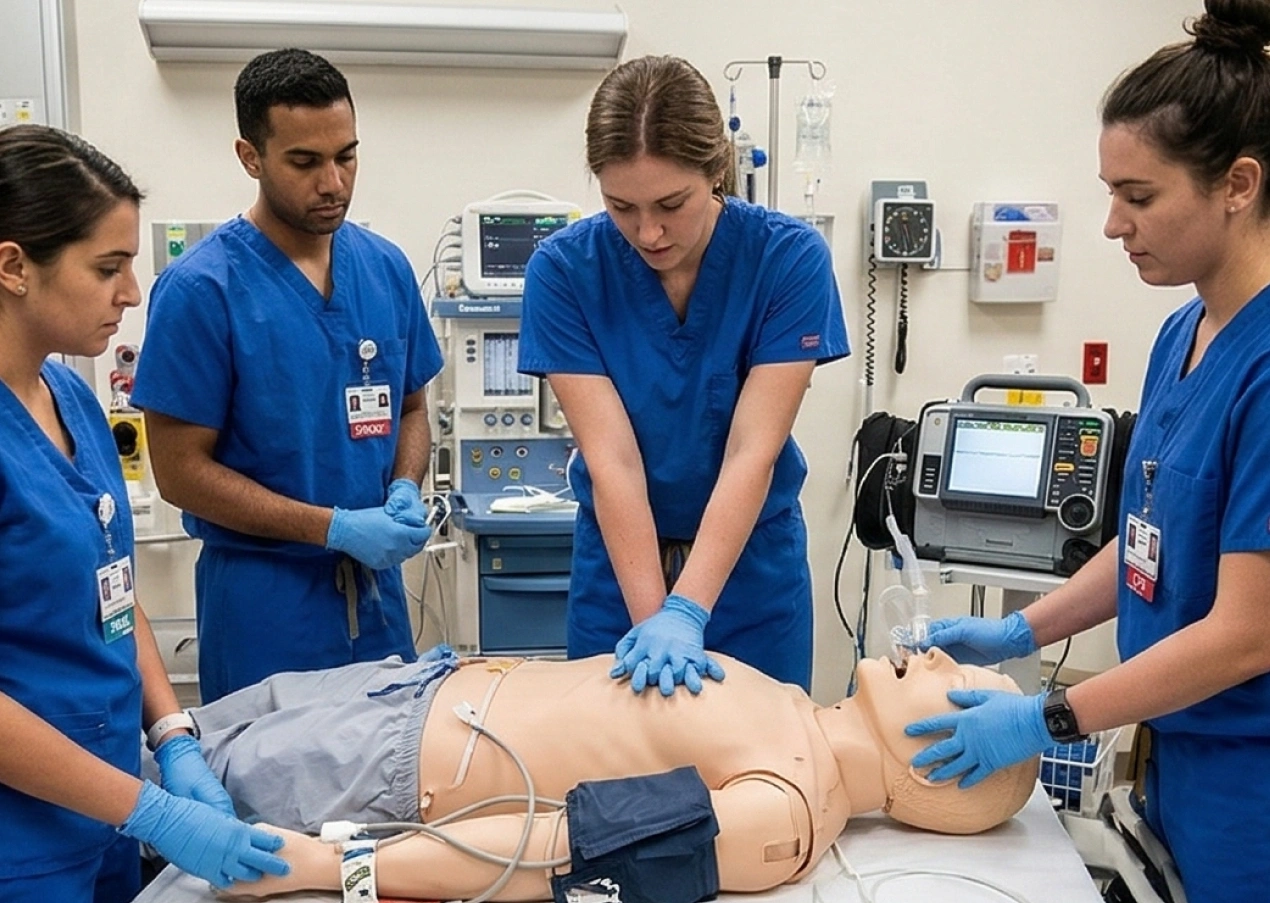
Advanced Certificate in Emergency Medicine
An Advanced Certificate in Emergency Medicine equips doctors with in-depth knowledge and practical clinical skills necessary to perform confidently in fast-paced hospital settings. The program prepares participants to efficiently manage trauma cases, medical emergencies, and critically ill patients with precision and competence.
This certification also enhances essential competencies such as critical thinking, rapid decision-making, and swift patient assessment—core skills required in emergency departments where every second is crucial.
Program Highlights
Discover the advantages of Advanced Certificate in Emergency Medicine
Career in Advanced Certificate in Emergency Medicine
In-Depth Learning
Skill Enhancement
Professional Growth
GTR Certification
Future-Ready Skills
10+
Other Benefits
Step into the world of high-paying careers 🚀
0
Students Trained
0
Facilitated Placements
0
Hours of Training
0
Years Operations

Know Your Mentor
Certified SAP MM S/4 HANA
Great Command over RICEFW Objects
Solves complex cross module scenarios
7+ Years Of Experience
Trained 6000+ Students
Simplifies Complex Concepts
Course Curriculum
• Emergency Medicine Department
• Legal Aspects of Emergency Medicine – Introduction
• General Approach
• Airway Management – Introduction
• Mechanical Ventilation – Introduction, Specific Modes of Ventilation, General Classes of Ventilators, Noninvasive ventilation, Weaning
• Breathlessness type 1 and type 2 respiratory failure
• Breathlessness: The difference between BiPAP and CPAP
• Basic Airway Management
• Airway Assessment
• Tracheostomy 1 : Emergency Management of a Tracheostomy or Laryngectomy
• Tracheostomy 2: General and Nursing Care of a Tracheostomy or Laryngectomy
• Prediction of a Difficult Airway
• Airway Maintenance: Facemask
• Airway Maintenance: cLMA
• Airway Maintenance: tracheal tube
• Airway management in trauma
• Airway Obstruction
• Management of Failed Intubation
• Clinical Effects of Anaesthetic Techniques on the Respiratory System
• life threatening Conditions
• Central Venous Catheter Insertion Demonstration Video
• Trauma Emergencies
• Emergency Department Imaging
• Neurology in Trauma
• Anaesthesia and analgesia for knee joint arthroplasty
• Anaesthesia for the management of traumatic pelvic fractures
• Traumatic brain injury: an evidence-based review of management
• Assessment of the Patient with Severe Facial Trauma
• The Role of Amputation in Management of Severe Lower Limb Trauma
• Outcome Measures in Severe Lower Limb Trauma
• Abdominal Trauma
• Chronic Wrist Pain Hx Trauma
• Image Interpretation – Cross-sectional Imaging: Intracranial Haemorrhage
• Image Interpretation – Cross-sectional Imaging: Basic Ischaemic Stroke
• Image Interpretation – Cross-sectional Imaging: Cervical Spine Injuries
• Image Interpretation – Cross-sectional Imaging: Self-Evaluation
• Surgical emergency
• Types of Orthopedic Emergencies
• Complications of Orthopedic Injuries
• Image Interpretation – Orthopaedic Imaging: General Principles
• Image Interpretation – Orthopaedic Imaging: Hip
• Image Interpretation – Orthopaedic Imaging: Knee
• Image Interpretation – Orthopaedic Imaging: Shoulder
• Image Interpretation – Orthopaedic Imaging: Elbow
• Image Interpretation – Orthopaedic Imaging: Foot and Ankle
• Image Interpretation – Orthopaedic Imaging: Hand and Wrist
• Image Interpretation – Orthopaedic Imaging: Long Bones
• Image Interpretation – Orthopaedic Imaging: Vertebral Column
• Image Interpretation – Orthopaedic Imaging: Pelvis
• Image Interpretation – Introduction to the Operating Theatre Environment
• Image Interpretation – General Principles of Imaging in the Operating Theatre
• Image Interpretation – Orthopaedic Intervention: Intramedullary Nailing
• Image Interpretation – Orthopaedic Intervention: Open Reduction and Internal Fixation
• Image Interpretation – Orthopaedic Intervention: Closed Reduction and Percutaneous Pinning
• Image Interpretation – Orthopaedic Intervention: Spinal Procedures
• Image Interpretation – Orthopaedic Intervention: Miscellaneous
• Cardiological Emergency
• Lower limb Orthopedic Trauma
• Principles of wound management
• Best practice in acute and chronic pain management
• In-depth knowledge of analgesics
• Pain management in children
• Pain management in the elderly
• Pain management in the end of life patientPain management in trauma
• The physiological pathways of pain
• The psychological and sociological impact of pain
• Inhalational Analgesics
• Appropriate Clinical Use of Simple Analgesics
• Step II-III: Opioids – Commonly Available Opioids
• II-III: Opioids – Principles of Opioid Treatment
• Step II: Appropriate Clinical Use of Weak Opioid/Paracetamol Combinations
• Step III: Administration Techniques IV PCA
• Multi-modal Analgesia
• The Pharmacology of Local Anaesthetics Part 1
• Systemic Local Anaesthetic Toxicity
• The Pharmacology of Local Anaesthetics Part 1
• Systemic Local Anaesthetic Toxicity
• Essentials of Wound Assessment
• Leg Ulcers
• Adult lymphoedema
• Dressing wounds
• Essentials of Digital Wound Imaging
• Respiratory Emergency Conditions
• Chronic Wound Management
• Pain Management
• Chest pain
• Do Not Attempt Resuscitation Orders
• Syncope or presyncope
• An Introduction to Heart Failure and Valve Disease
• Frailty, end-of-life care and heart failure
• Heart Valve Disease – Diagnosis and management in primary care
• Heart Valve Disease – Endocarditis
• Heart Valve Disease – Introduction
• How to Optimise Management of Heart Failure in Primary Care
• Secondary care management of heart failure
• History of acute asthma
• Assessing severity of acute asthma
• Interstitial lung disease and the acute medical take
• Pathway to diagnosing interstitial lung disease
• Difficulties of treating interstitial lung disease
• Investigation and management of interstitial lung disease
• Managing pulmonary embolism special circumstances
• Diabetic Emergencies in Primary Care
• Emergency Medicine
• Endocrine Emergency
• Emergency Gastroenterology
• Cardiology Emergency
Who is this course for?
MBBS graduates
General practitioners
Medical officers
Doctors working in emergency or casualty departments
Training Delivery
Discovery call
A call to evaluate training requirements and adjust course and delivery accordingly.
Tech call with Certified Instructor
A call with the instructor to address specific queries and requirements.
Customized Curriculum
Tailored curriculum to meet specific learning objectives and needs.
Training & LMS Access
Start training sessions with access to the Learning Management System.
Live Training
Interactive live sessions to enhance learning experience.
Hands-on Labs
Role-based training with practical exercises and labs.
Course Materials
Access course materials anytime through LMS.
Progress Metrics
Track student progress with analytics and reports.
Gamified Quiz
Engaging final quiz to reinforce learning.
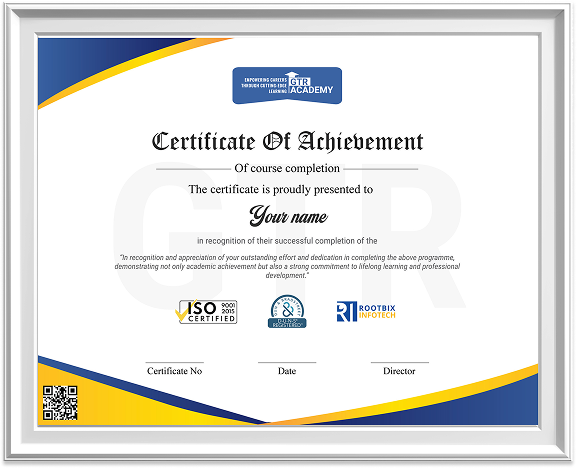
🎓 Certificate of Completion
Get a verifiable certificate after successfully completing the training.
Student Video Testimonials
Watch real success stories shared by our students.



Choose Your Plan
Start your journey with flexible pricing options
Advanced Certificate in Emergency Medicine
Live Online
₹75,000
₹50,000
+ ₹30,000 after placement
✔ Live interactive classes
✔ Doubt solving sessions
✔ Placement support
Advanced Certificate in Emergency Medicine
Recorded (12 Months Access)
₹67,500
₹45,000
✔ Recorded lectures
✔ Mock tests & question bank
✔ Doubt support
Frequently Asked Questions
The Advanced Certificate in Emergency Medicine is a specialized training program designed to enhance doctors’ skills in the rapid assessment, diagnosis, and management of acute and life-threatening medical conditions.
The program is generally suitable for:
• MBBS graduates
• General practitioners
• Medical officers
• Doctors working in emergency or casualty departments
Eligibility criteria may vary by institution.
Most Advanced Certificate programs in Emergency Medicine are structured as a 6-month course, though timelines may vary depending on the learning format.
Many institutions offer this program in an online or blended learning format, allowing practicing doctors to continue their clinical duties while upgrading their skills.
The course typically includes:
• Trauma management
• Basic and advanced life support (BLS & ACLS principles)
• Cardiac emergencies
• Respiratory emergencies
• Neurological emergencies
• Shock and sepsis management
• Poisoning and toxicology
• Pediatric and obstetric emergencies
• Disaster management basics
This certification:
• Enhances confidence in managing emergency cases
• Improves rapid clinical decision-making skills
• Strengthens eligibility for roles in emergency departments
• Adds value to your professional credentials
• Expands opportunities in hospitals and urgent care centers
No. This is a skill-enhancement certification program. It does not replace MD/DNB specialization but improves practical competence in emergency care settings.
Yes. Participants who successfully complete course requirements and assessments will receive an Advanced Certificate in Emergency Medicine from the awarding institution.
This certification:
• Enhances understanding of cardiac imaging
• Improves interpretation skills of echocardiographic findings
• Strengthens clinical decision-making in cardiovascular care
• Adds value to your professional profile
• Expands career opportunities in cardiology departments and diagnostic centers
Yes. The course is designed for working medical professionals and offers flexible learning schedules.
Graduates can explore opportunities in:
• Emergency departments
• Trauma centers
• Urgent care clinics
• Critical care units
• Disaster response teams
Enrollment typically involves:
• Submitting an application form
• Providing qualification documents
• Payment of course fees
• Confirmation from the institution
Approved Training Partner
Approved Training partner under the scheme for market-led fee-based services by NASSCOM