


Fellowship In Clinical Cardiology
190,000+ strong network: Global expertise, practical skills, & ethical leadership.
 4.2/5
4.2/5
 4.8/5
4.8/5
 4.6/5
4.6/5
 4.3/5
4.3/5
0
Students
0
Placements
0
Trainers
Fellowship In Clinical Cardiology
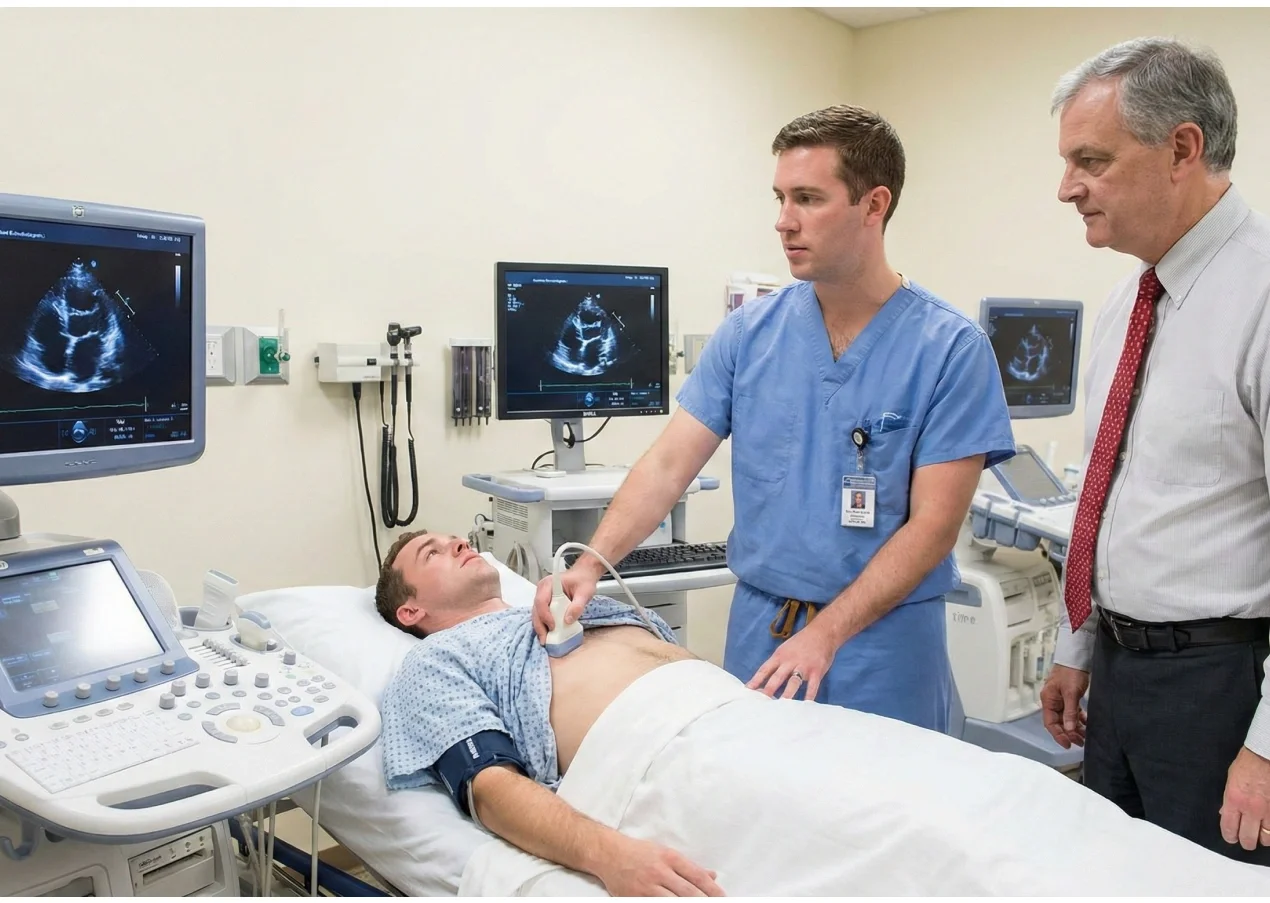
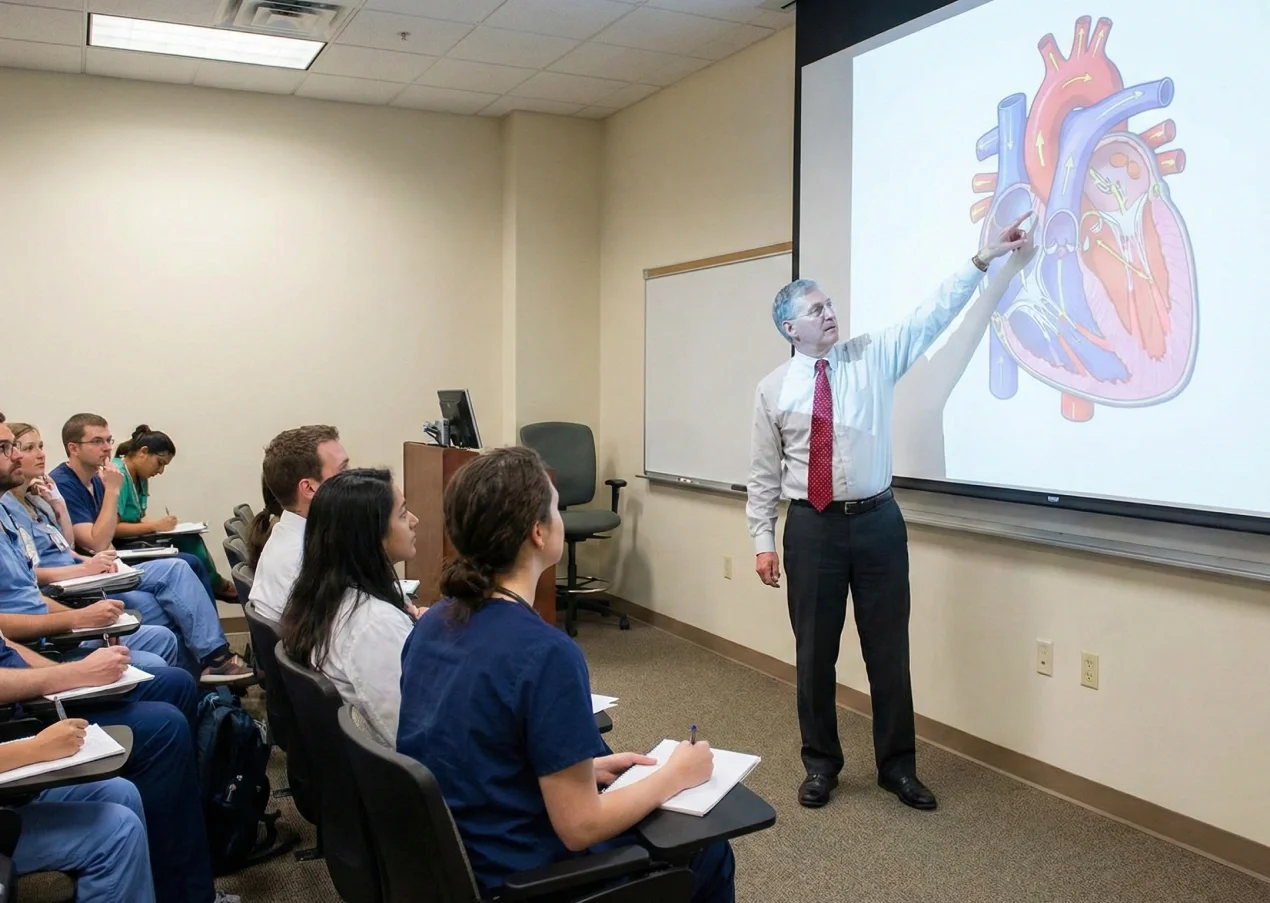
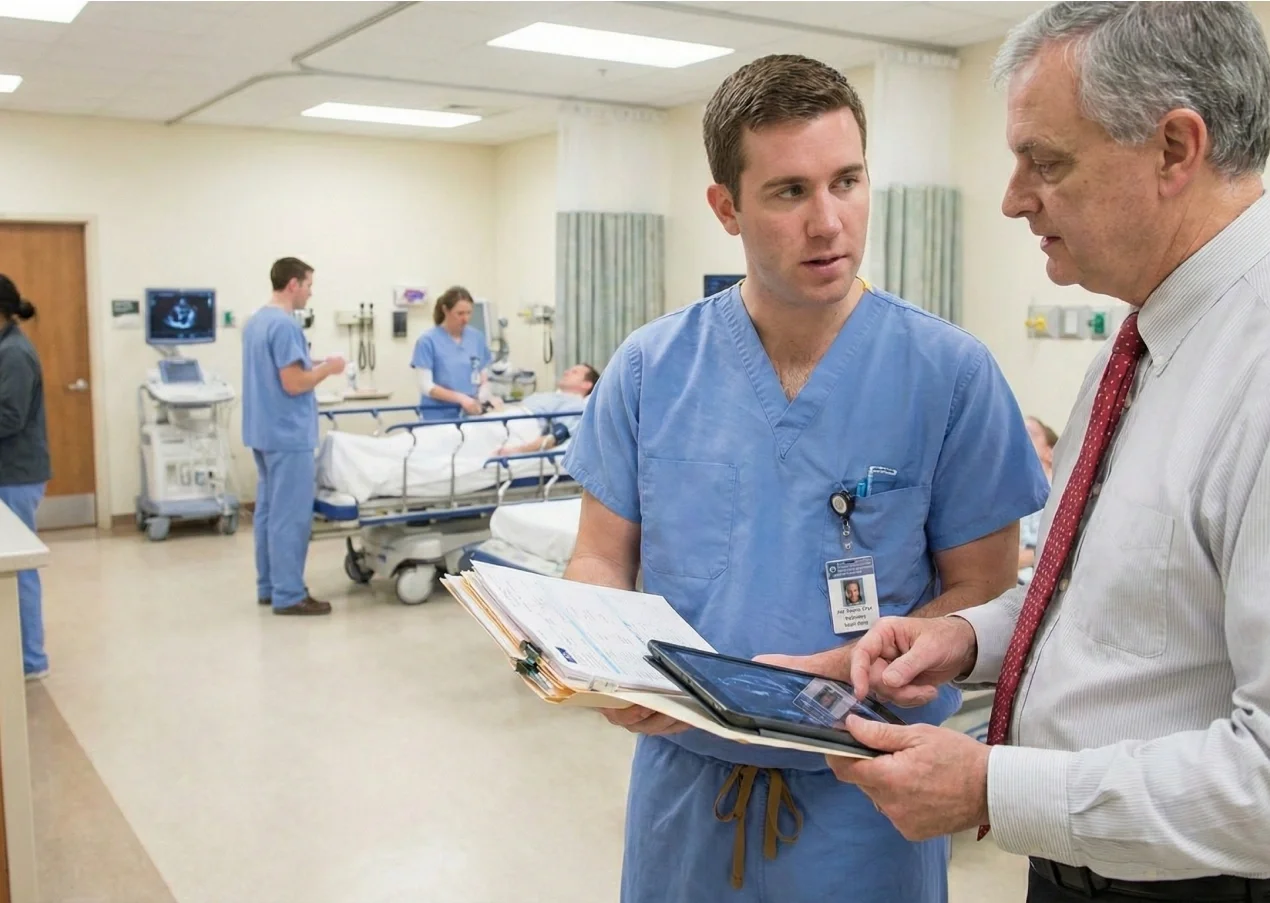
A Fellowship in Clinical Cardiology offers physicians the opportunity to strengthen their understanding of heart health, especially at a time when cardiovascular mortality rates are steadily increasing. Pursuing a Fellowship in Clinical Cardiology after MBBS allows medical graduates to gain deeper insight into the field and build a strong foundation in non-invasive cardiology. This program provides advanced academic knowledge along with practical clinical exposure for those aspiring to develop expertise in cardiology. Participants work closely with experienced cardiologists and healthcare professionals to enhance their skills in diagnosing, managing, and treating various cardiac conditions.
Program Highlights
Discover the advantages of Fellowship In Clinical Cardiology
Career in Fellowship In Clinical Cardiology
In-Depth Learning
Skill Enhancement
Professional Growth
GTR Certification
Future-Ready Skills
10+
Other Benefits
Step into the world of high-paying careers 🚀
0
Students Trained
0
Facilitated Placements
0
Hours of Training
0
Years Operations

Know Your Mentor
Certified SAP MM S/4 HANA
Great Command over RICEFW Objects
Solves complex cross module scenarios
7+ Years Of Experience
Trained 6000+ Students
Simplifies Complex Concepts
Course Curriculum
Understand the structural and functional anatomy of the heart and vascular system.
Review the physiological mechanisms of cardiac output, blood pressure regulation, and electrophysiology.
Learn how anatomical and physiological principles apply to common cardiac pathologies.
Identify modifiable and non-modifiable risk factors for cardiovascular disease.
Understand guidelines for primary and secondary prevention, including lifestyle modification and
Apply preventive strategies in high-risk populations using risk scoring systems.
Master systematic interpretation of 12-lead ECGs, including arrhythmias and myocardial infarction patterns.
Correlate ECG findings with clinical presentations in acute and chronic cardiac conditions.
Learn to recognize life-threatening abnormalities requiring urgent intervention.
Gain proficiency in echocardiography, stress testing, Holter monitoring, and cardiac imaging.
Understand indications, interpretation, and limitations of each diagnostic modality.
Integrate diagnostic data into clinical decision-making.
Differentiate between stable angina, unstable angina, and myocardial infarction.
Learn current guidelines for medical, interventional, and surgical management.
Understand long-term follow-up and secondary prevention strategies post-MI.
Recognize clinical types: HFrEF vs. HFpEF and their pathophysiology.
Apply guideline-directed medical therapy (GDMT) and non-pharmacological measures.
Manage acute decompensated heart failure in emergency settings.
Classify and manage common arrhythmias: atrial fibrillation, ventricular tachycardia, bradyarrhythmias.
Understand indications for pharmacologic vs. device-based interventions (e.g., pacemakers, ICDs).
Learn emergency management of tachyarrhythmias and cardiac arrest algorithms (ACLS).
Review updated classification, staging, and treatment protocols for hypertension.
Understand lipid profiles, statin guidelines, and atherogenic risk management.
Implement lifestyle and pharmacological interventions for long-term control.
Learn clinical and echocardiographic evaluation of mitral, aortic, tricuspid, and pulmonary valve disorders.
Understand congenital anomalies and their clinical implications in adults (e.g., ASD, VSD, TOF).
Know indications for surgical vs. interventional correction.
Manage acute coronary syndromes, cardiac tamponade, hypertensive emergencies, and arrhythmic storms.
Stabilize patients with chest pain, syncope, or sudden cardiac arrest in ER settings.
Apply ACLS and advanced cardiac life support protocols.
Implement cardiac rehabilitation strategies post-MI or heart surgery.
Educate patients on exercise, nutrition, smoking cessation, and stress management.
Monitor functional improvement and adherence to rehabilitation goals.
Learn basics of clinical research, data interpretation, and biostatistics.
Participate in real-time case discussions and morbidity-mortality meetings.
Present case studies and critically appraise cardiology literature.
Who is this course for?
MBBS Graduates.
MBBS Final Years Student
Applicants who are in their final year can also apply.
MD/DNB/FNB & residents working in healthcare.
Ayush ( BAMS / BHMS / BYNS /BUMS )
Training Delivery
Discovery call
A call to evaluate training requirements and adjust course and delivery accordingly.
Tech call with Certified Instructor
A call with the instructor to address specific queries and requirements.
Customized Curriculum
Tailored curriculum to meet specific learning objectives and needs.
Training & LMS Access
Start training sessions with access to the Learning Management System.
Live Training
Interactive live sessions to enhance learning experience.
Hands-on Labs
Role-based training with practical exercises and labs.
Course Materials
Access course materials anytime through LMS.
Progress Metrics
Track student progress with analytics and reports.
Gamified Quiz
Engaging final quiz to reinforce learning.
🎓 Certificate of Completion
Get a verifiable certificate after successfully completing the training.
Student Video Testimonials
Watch real success stories shared by our students.



Choose Your Plan
Start your journey with flexible pricing options
Fellowship In Clinical Cardiology
Live Online
₹240,000
₹160,000
+ ₹30,000 after placement
✔ Live interactive classes
✔ Doubt solving sessions
✔ Placement support
Fellowship In Clinical Cardiology
Recorded (12 Months Access)
₹210,000
₹140,000
✔ Recorded lectures
✔ Mock tests & question bank
✔ Doubt support
Frequently Asked Questions
A Fellowship in Clinical Cardiology is an advanced training program designed to enhance a physician’s knowledge and clinical skills in diagnosing, managing, and preventing cardiovascular diseases, particularly through non-invasive cardiology practices.
Medical graduates who have completed MBBS (or an equivalent qualification) are generally eligible. The program is especially beneficial for general practitioners and physicians who wish to strengthen their expertise in cardiology.
Most fellowship programs are typically one year in duration. However, the exact length may vary depending on the institution and learning format.
Basics of cardiovascular anatomy and physiology
Hypertension and ischemic heart disease
Heart failure and arrhythmias
Valvular heart diseases
ECG interpretation
Echocardiography basics
Preventive cardiology
Non-invasive cardiology techniques
No. Most Clinical Cardiology fellowships primarily focus on non-invasive cardiology, including ECG, echocardiography, and medical management of cardiac conditions rather than interventional procedures.
Yes. Reputed programs combine theoretical knowledge with clinical case discussions and practical exposure to enhance real-world diagnostic and decision-making skills.
Yes. Many institutions, including GTR Academy, offer flexible learning formats such as online or hybrid models, making it suitable for practicing doctors.
The fellowship helps physicians:
Improve diagnostic accuracy in cardiac cases
Strengthen treatment planning skills
Enhance patient counseling in preventive cardiology
Increase professional credibility
No. A Fellowship in Clinical Cardiology is an advanced certification program and does not replace a DM or MD degree in Cardiology. It is intended to enhance knowledge and practical skills for general practitioners and physicians.
After completing the fellowship, physicians can:
Offer improved cardiac care in their practice
Work in cardiac clinics or hospitals
Participate in preventive cardiology programs
Contribute to academic or research activities
Approved Training Partner
Approved Training partner under the scheme for market-led fee-based services by NASSCOM